Mullen Automotive: An In-Depth Look at Its Journey in the EV Market
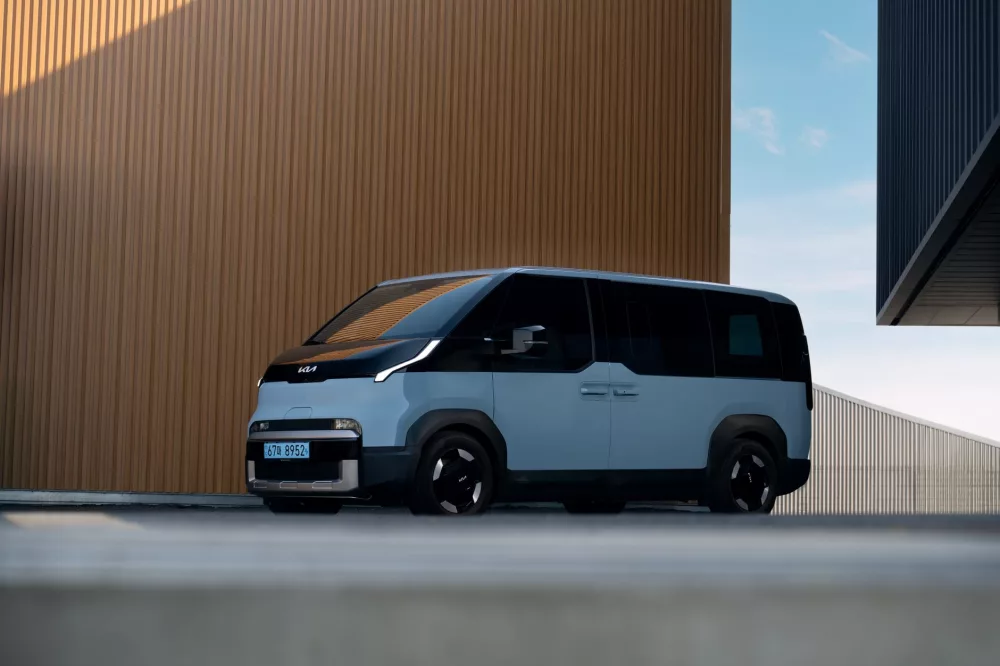
Mullen Automotive: An In-Depth Look at Its Journey in the EV Market
When we talk about the electric vehicle (EV) landscape, it's pretty crowded out there, isn't it? You've got the established giants and a whole lot of newer players trying to carve out their niche. Mullen Automotive is one of those companies that has definitely been making some noise, and I think it's worth taking a closer look at what they're all about, where they've come from, and where they might be headed. My impression is that they're really trying to make a mark in several different segments, and that's a pretty ambitious goal.
You know, Mullen isn't exactly a brand-new name, but their current iteration as an EV manufacturer really took shape over the last few years. They've evolved quite a bit, transitioning from an earlier automotive venture to focusing squarely on electric vehicles. It’s been a fascinating journey to watch, especially as they’ve navigated the complexities of developing new vehicles and trying to scale production in a highly competitive sector. I often find myself wondering how these newer companies manage to stand out.
The Mullen Vehicle Lineup: More Than Just One Model
What I find particularly interesting about Mullen is their diverse approach to the EV market. They aren't just putting all their eggs in one basket, which I think is a smart move given the different demands across consumer and commercial sectors. Let's break down some of the key vehicles they've been developing:
- Mullen FIVE: This is probably their most talked-about consumer EV. It’s an electric crossover SUV that they've showcased at various events. I remember seeing images of it and thinking it looked quite sleek and modern. They’ve really emphasized its performance and range, aiming to compete in that premium electric SUV space. It’s a bold entry into a tough market, but they seem confident in its potential.
- Mullen ONE: Moving into the commercial side, we have the Mullen ONE, which is a Class 1 EV cargo van. I think this vehicle has significant potential because the last-mile delivery sector is just screaming for electrification. Businesses are looking for cost-effective, environmentally friendly ways to deliver goods, and a compact electric van like this could fit the bill perfectly.
- Mullen THREE: This is a Class 3 EV cab chassis truck. Think about all those service vehicles, utility trucks, and larger delivery vans you see every day – many of them could eventually be replaced by something like the Mullen THREE. The cab chassis design allows for various upfit options, making it versatile for different commercial applications, which is a huge plus for fleet managers, I'd say.
And let's not forget about the acquisitions that have really expanded their portfolio. My understanding is that when they acquired Bollinger Motors, it brought a whole new dimension to Mullen's offerings.
- Bollinger B1 and B2: These are the iconic, rugged, all-electric SUVs and pickup trucks that Bollinger was known for. While consumer production was paused, the technology and design know-how are still incredibly valuable.
- Bollinger B4 and B5: What's really exciting about the Bollinger acquisition, in my opinion, is their focus on commercial trucks. The B4 and B5 are medium-duty electric trucks that cater to Classes 4 and 5. This move gives Mullen a much broader presence in the commercial EV space, which I believe is where a lot of the immediate growth and adoption will happen.
- DragonFLY (K50): This is a high-performance electric sports car. While it's a bit of a niche product compared to their other offerings, it definitely shows their engineering capabilities and can serve as a halo car for the brand, generating excitement.
Manufacturing and Operations: Building the Future
Building vehicles, especially electric ones, requires substantial manufacturing capabilities. Mullen has been working on establishing its production footprint, and I've been following their progress on this front. They've got the facility in Tunica, Mississippi, which they acquired from the remains of Electric Last Mile Solutions (ELMS). I think that was a pretty strategic move because it gave them a ready-made plant with some existing infrastructure.
My understanding is that they've been retooling and preparing the Tunica plant for production of the Mullen ONE and THREE commercial vehicles. Scaling manufacturing is incredibly difficult, and it's where many startups stumble. So, seeing them put resources into this facility is a positive sign. There's also the Mishawaka, Indiana plant, which I believe is earmarked for the Bollinger line. Having multiple facilities, even if repurposed, shows a serious commitment to production. It’s not just about designing cool cars; you actually have to build them.
Navigating the Challenges and Looking Ahead
It wouldn't be a complete picture if I didn't talk about the challenges. The EV market is tough, and Mullen, like many emerging companies, has faced its share of hurdles. We've seen some ups and downs with their stock performance, and like other publicly traded EV startups, they've been the subject of short-seller reports. I think it’s important for investors and enthusiasts to do their own research and understand the risks involved with any new company in this sector.
Financing production and R&D for multiple vehicle lines is no small feat. They’ve had to secure various funding rounds, and that's just part of the game for growing companies. What I see them doing is actively pursuing strategic partnerships and acquisitions, like Bollinger, and also working to secure orders for their commercial vehicles. These are crucial steps in building a sustainable business model.
Looking to the future, I believe Mullen's strategy of diversifying across consumer and commercial vehicles, coupled with their acquired assets from Bollinger and ELMS, positions them uniquely. If they can successfully execute on their production timelines and deliver quality vehicles, especially in the booming commercial EV sector, they could carve out a significant presence. It's a long road, and success isn't guaranteed for anyone in this competitive space, but I'm certainly interested to see how their story unfolds. I think their dedication to bringing multiple EV options to market is a testament to their ambition, and that's something I can appreciate.
Editorial Team
Senior staff writer & editor delivering comprehensive analysis, news reports, and detailed guides.