Les Schwab Tires: A Deep Dive into a Unique Business Model and Enduring Legacy
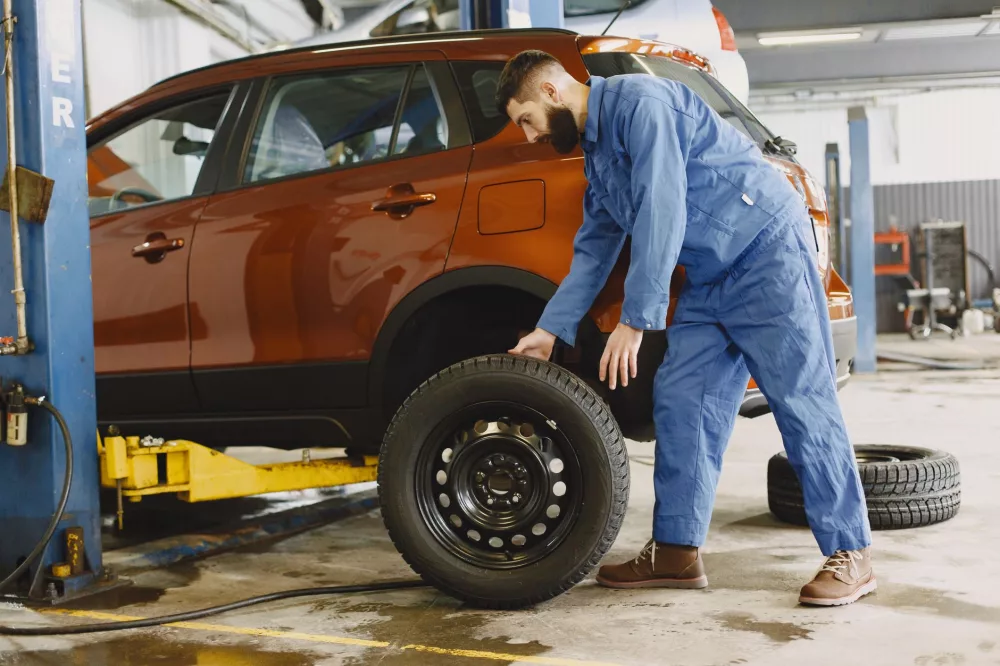
When you think of tire shops, a lot of names might come to mind, but for anyone who's lived in the Pacific Northwest or really, the Western United States, Les Schwab isn't just another tire store; it's practically an institution. It's got this unique blend of old-school service and a really sharp business model that sets it apart. I mean, we're talking about a company that started from incredibly humble beginnings and grew into a regional giant, all while maintaining a reputation for honesty and excellent customer care. It's quite a story, if you ask me, and one that really emphasizes how a strong culture can drive success.
The Visionary Behind the Tires: Les Schwab Himself
So, who was Les Schwab? He wasn't just some guy; he was an absolute visionary. He started the company in 1952 in Prineville, Oregon, which back then was a pretty small logging town. His philosophy was pretty simple, but incredibly powerful: 'Treat your employees like family, and they'll treat your customers like kings.' He believed in empowering his workers, giving them a real stake in the business, and I think that's what made all the difference. He himself came from a tough background, having been orphaned young, and that resilience definitely shaped his approach to business. He understood the value of hard work and loyalty, and he built his entire empire on those principles. It's fascinating, really, how one person's ethics can permeate an entire organization for decades.
Employee Ownership: The Heart of the Les Schwab Culture
One of the coolest things about Les Schwab, and probably the biggest driver of its success, is its employee ownership program. Most of the stores are owned by their employees, which isn't something you see every day, especially in retail. This isn't just a fancy perk; it fundamentally changes how people work. When you're an owner, you're not just punching a clock; you're invested in the outcome, both financially and emotionally. This ownership structure creates a culture of exceptional service, accountability, and teamwork. Employees don't just 'work there'; they own a piece of it. I've heard stories about how rigorous the training is, too – new hires often start at the bottom, learning every aspect of the business, from sweeping floors to changing tires. This hands-on experience, coupled with the ownership stake, really fosters a deep commitment. You see it in their attitudes, that genuine desire to help.
Unmatched Customer Service: The 'Out-the-Door' Experience
Now, let's talk about the customer service because, let's be honest, that's what most of us experience directly. If you've ever pulled into a Les Schwab, you'll know exactly what I'm talking about. Before you even get out of your car, there's usually someone sprinting out to meet you. It's this almost legendary 'out-the-door' service that totally catches you off guard if you're not expecting it. They'll ask how they can help, often before your engine is even off. They're quick, they're efficient, and they're incredibly polite. It’s not just about speed, though; it’s about trust. They've built a reputation for being honest, for not trying to upsell you on things you don't need. My personal experience, and what I've heard from so many others, is that they stand behind their products and their work. Things like free flat repairs, rotations, and even air checks – those little things add up and show they care beyond just the initial sale. It truly makes a difference.
Beyond Just Tires: Comprehensive Vehicle Services
While the service is definitely a highlight, let's not forget what they actually do: tires, primarily, but so much more. They offer a huge range of tires from various manufacturers, but they also have their own private-label tires, which are often a fantastic value. Beyond just tires, they handle a lot of vehicle maintenance and repair needs. We're talking about things like:
- Brake service: They'll check your brakes and replace components if needed.
- Wheel alignments: Essential for tire longevity and safe driving.
- Batteries: Testing and replacement services.
- Shocks and struts: For a smoother, more controlled ride.
- Custom wheels: If you're looking to upgrade your vehicle's look.
They've really positioned themselves as a one-stop shop for crucial vehicle maintenance, which I find incredibly convenient. It simplifies things, knowing you can trust them with a variety of needs.
From Small Town to Regional Powerhouse: The Growth Story
From that single shop in Prineville, Les Schwab expanded steadily, first across Oregon and then into other Western states like Washington, Idaho, Montana, California, Nevada, and Utah. This growth wasn't about aggressive acquisitions as much as it was about replicating that successful model. They opened new stores, often bringing in employees from existing locations to train new teams and instill that core culture. It's a classic example of organic growth driven by reputation. People saw the quality, heard the positive word-of-mouth, and the demand followed. You don't get that kind of steady expansion without doing something consistently right, and for them, it was always about that customer-first, employee-centric approach. I mean, it just makes good business sense, doesn't it?
Staying Relevant in a Changing Automotive World
In today's fast-paced world, staying relevant, especially in an industry that's seen a lot of changes, isn't easy. But Les Schwab has managed it. They've adapted to new tire technologies, they've kept up with vehicle advancements, and they continue to invest in their people and their facilities. They've also embraced a digital presence without losing that personal touch. While you can certainly research tires online, the core of their business is still that face-to-face interaction, that immediate service. It really speaks to the strength of their original values that they haven't had to completely reinvent themselves; they've simply evolved their core offerings. I think they understand that while technology changes, human needs for trust and reliability don't.
The Enduring Legacy of a Tire Empire
Reflecting on Les Schwab, it's clear his legacy goes far beyond just selling tires. He really built a model for how businesses should operate: with integrity, a deep commitment to employees, and an unwavering focus on the customer. It's a reminder that even in a competitive market, you can differentiate yourself not just with products, but with unparalleled service and a genuinely positive company culture. For me, whenever I drive past one of their distinctive blue and yellow stores, I'm reminded that some business principles truly are timeless. It's not just a tire shop; it's a living example of how doing things right, consistently, pays off in the long run. And honestly, it makes you feel good about where you're spending your money, knowing they treat their own people so well.
Editorial Team
Senior staff writer & editor delivering comprehensive analysis, news reports, and detailed guides.