Do You Need a Lawyer to Revoke Power of Attorney? Let's Break It Down
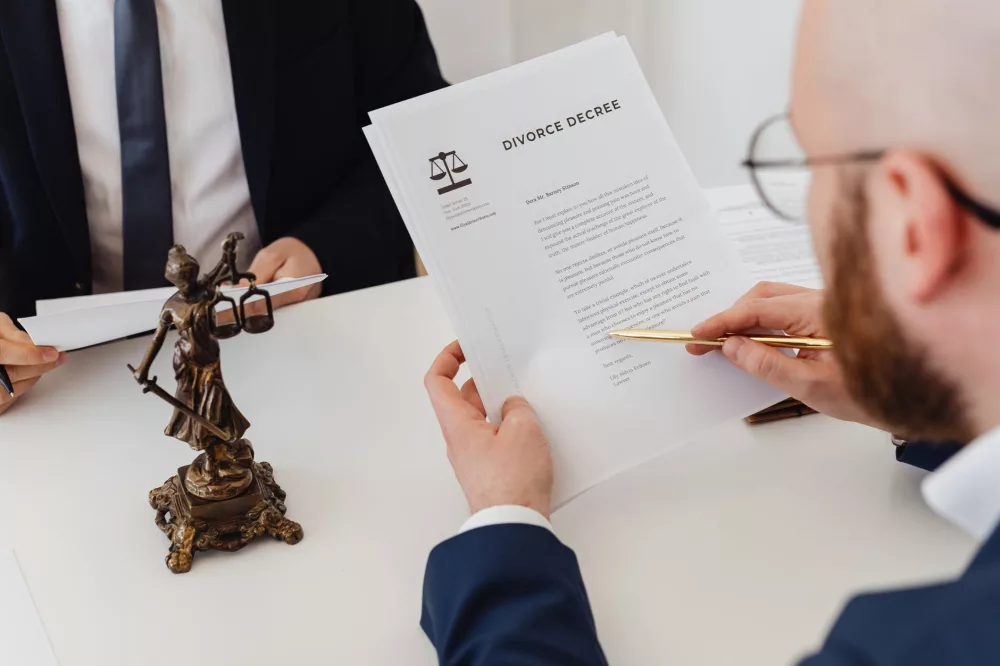
When you set up a Power of Attorney (POA), it's usually with the best intentions, right? You're thinking ahead, making sure someone you trust can handle your affairs if you can't. It's a smart move. But life, as we all know, is full of surprises and changes. Circumstances shift, relationships evolve, and sometimes, that person you once trusted implicitly might not be the right fit anymore. So, naturally, the question comes up: do you need a lawyer to revoke a Power of Attorney? It's a really good question, and one I get asked a lot. Let's dig into it.
Understanding What a Power of Attorney Is (Briefly)
Before we jump into revocation, let's just quickly touch on what a POA actually is. Essentially, it's a legal document where you (the principal) give another person (the agent or attorney-in-fact) the authority to make decisions on your behalf. This can be for financial matters, healthcare decisions, or both. It can be general, giving broad powers, or specific, limiting the agent's authority to particular actions or for a certain period. Durable POAs, for instance, remain effective even if you become incapacitated, which is often the point for many people.
Why You Might Be Thinking About Revocation
There are countless reasons why someone might decide to revoke a POA. Maybe the agent's behavior has become questionable, and you suspect they're not acting in your best interest. Perhaps your relationship with the agent has deteriorated, and you no longer feel comfortable with them having such significant control. It could be something as simple as wanting to appoint a different agent because someone else is now better suited for the role, or maybe you've just regained capacity after a period of illness and want to take back control yourself. Sometimes, the original purpose of the POA has simply passed, like a specific transaction has been completed.
The Core Steps to Revoking a Power of Attorney
Okay, so you've decided you need to revoke it. What's next? The process generally involves a few key steps, and while they might seem straightforward on the surface, each one has its nuances.
Creating a Revocation Document
The first and most crucial step is to create a formal document stating your intention to revoke the existing Power of Attorney. This isn't something you can just do verbally or by sending an email; it needs to be a written legal instrument. This document, often called a "Revocation of Power of Attorney," should clearly identify the original POA you're revoking, including its date and the names of the principal and the agent. It needs to explicitly state that you are revoking all authority previously granted. I always advise people to make sure this document is signed by you, the principal, and typically it should be notarized. Some states might even require witnesses. You want absolutely no ambiguity here.
Notifying Everyone Involved
Simply signing the revocation document isn't enough. The next critical step, and one that often gets overlooked, is making sure everyone who needs to know actually knows. This includes the agent themselves, of course. You need to provide them with a copy of the signed and notarized (if applicable) revocation. But it goes beyond just the agent. Think about anyone who might have relied on the original POA. This could be banks, financial institutions, investment firms, doctors, hospitals, insurance companies, and even government agencies. If they aren't aware of the revocation, they might still honor the agent's actions, potentially causing you significant problems. I tell my clients to send these notifications via certified mail with a return receipt requested. That way, you have proof that the notification was sent and received.
Recording the Revocation (When Applicable)
In some cases, especially if the original Power of Attorney was recorded with a county clerk or land records office (which often happens when it involves real estate transactions), you'll need to record the revocation in the same place. This ensures that public records reflect the change and prevents any future transactions based on the old, revoked POA. It's an extra layer of protection, and frankly, a smart move if property is involved.
Do You *Really* Need a Lawyer? My Honest Take
Now, to the million-dollar question: do you absolutely, positively need a lawyer for this? The short answer is: it depends. It's not a black and white issue, and my professional opinion varies depending on the specifics of your situation.
When You Might Be Able to Do It Yourself
If your situation is super straightforward, like you're completely mentally competent, the agent is cooperative, there are no disputes, and the original POA was a very basic document that wasn't recorded, you might be able to handle the revocation yourself. There are templates available online for a "Revocation of Power of Attorney" document. However, you'd still need to ensure it meets your state's specific legal requirements for signing, witnessing, and notarization. You'd also bear the full responsibility of making sure every relevant party is properly notified. It's doable for some, but I'd caution against it if there's even a hint of complexity.
When a Lawyer is Highly Recommended (or Essential)
Let's be frank: most situations benefit immensely from legal guidance. Here are some scenarios where I strongly advise getting a lawyer involved:
- Any Dispute or Resistance from the Agent: If you suspect the agent won't cooperate, or worse, might try to use the POA after it's been revoked, you absolutely need a lawyer. They can help navigate potential legal challenges, send official cease and desist letters, and even pursue legal action if necessary to protect your assets and wishes.
- Concerns About Your Own Capacity: If there's any question about your mental capacity when you're trying to revoke the POA, it gets tricky. A lawyer can help establish your capacity (perhaps with a doctor's input) and ensure the revocation is legally sound and can't be challenged later. If you lack capacity, a different legal process (like guardianship or conservatorship) might be needed, and a lawyer is essential there.
- Complex Financial Situations or Assets: If the POA grants access to substantial assets, multiple bank accounts, investments, or real estate, the stakes are much higher. A lawyer can ensure all financial institutions are properly notified and that no loopholes are left open for the agent to exploit. They'll also know if the original POA was recorded and ensure the revocation is also recorded correctly.
- State-Specific Legal Nuances: Power of Attorney laws vary significantly from state to state. What's perfectly valid in one state might not be in another. A local attorney understands these intricacies and can ensure your revocation is compliant with all local laws, preventing future headaches.
- If You're Appointing a New Agent: If the revocation is part of a larger plan to appoint a new agent, a lawyer can draft both documents concurrently, ensuring a smooth transition and preventing any gaps in authority.
- Concerns About Undue Influence: If you fear that the original POA was established under undue influence or duress, or if the agent is now exerting such influence, a lawyer can help you revoke it safely and address the underlying issues.
What if the Agent Just Won't Listen?
This is where a lawyer really earns their keep. If your agent refuses to acknowledge the revocation, continues to act on your behalf, or refuses to return your original POA documents, you're looking at a serious problem. A lawyer can send official legal notices, formally demand the return of documents, and if necessary, initiate court proceedings to enforce the revocation and hold the agent accountable. This kind of situation can escalate quickly, and having legal representation is paramount to protecting your interests.
My Final Take on This
Look, I get it. Nobody wants to spend money on legal fees unless they absolutely have to. But when it comes to something as important as control over your financial and healthcare decisions, making sure a revocation is done correctly is priceless. A small investment now can save you a massive headache, or worse, significant financial losses down the road. While revoking a Power of Attorney might seem like a simple administrative task, the potential legal ramifications of getting it wrong are just too high to ignore. For peace of mind, and to ensure your wishes are truly respected, my strong recommendation is to at least consult with an attorney to discuss your specific situation. They can confirm if you can do it yourself, or guide you through the process if it's more complex. It's your life, your decisions, and your protection we're talking about here.
Editorial Team
Senior staff writer & editor delivering comprehensive analysis, news reports, and detailed guides.